Maize Farming for Silage Production: A Smart Feed Solution for Modern Livestock Farming
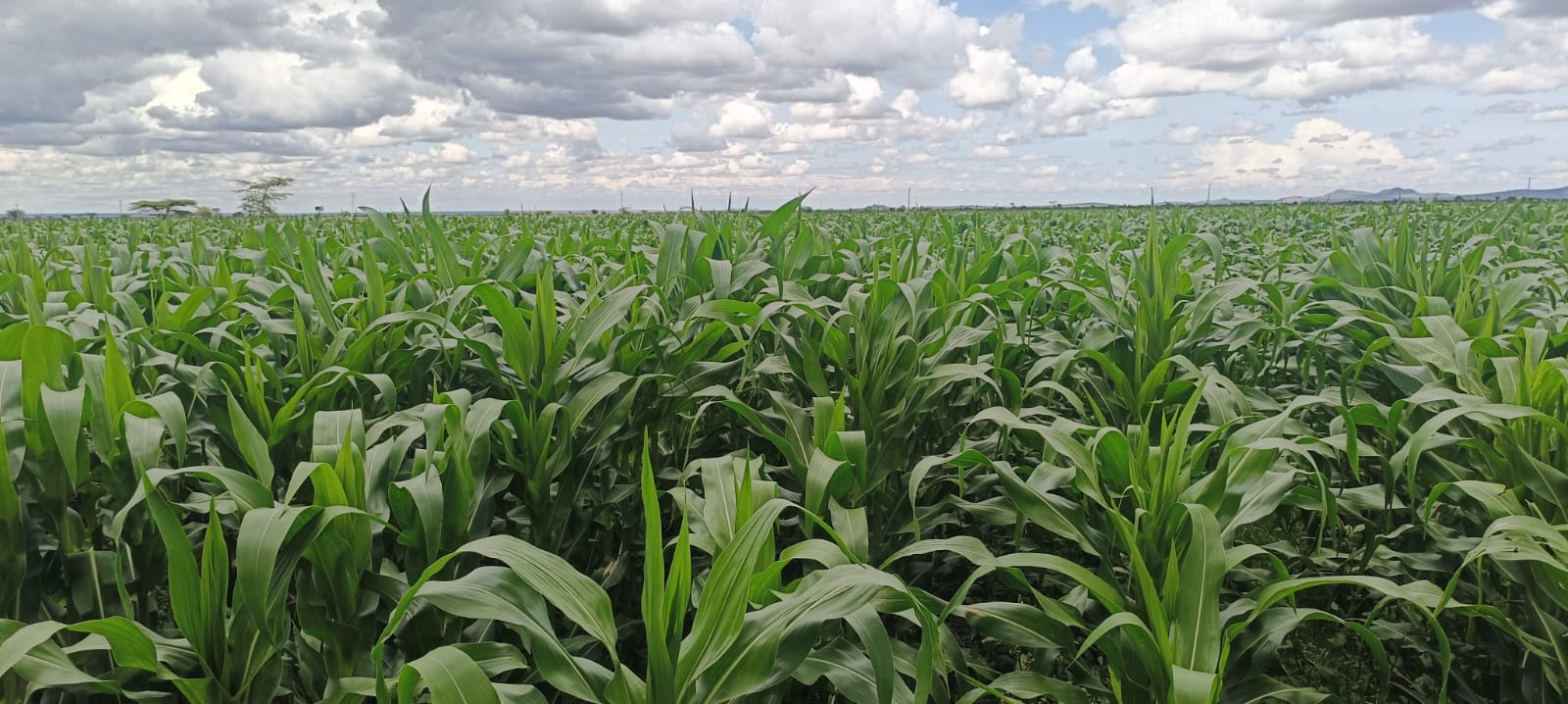
Maize farming for silage production is rapidly gaining popularity among livestock farmers seeking reliable, high-quality feed throughout the year. As climate variability, rising feed costs, and shrinking grazing land continue to challenge traditional livestock systems, silage made from maize offers a sustainable and cost-effective alternative. In both smallholder and commercial livestock operations, maize silage has become a cornerstone of modern feed management.
What Is Maize Silage?
Maize silage is a fermented animal feed produced by harvesting the entire maize plant—stalks, leaves, and grain—at the correct maturity stage and storing it under airtight conditions. Through anaerobic fermentation, the crop is preserved while maintaining high energy and nutrient levels. The result is a palatable, digestible feed ideal for dairy cattle, beef cattle, sheep, and goats.
Unlike dry fodder or grazing, maize silage provides consistent nutrition regardless of season, making it especially valuable during dry periods.
Why Maize Is Ideal for Silage Production
Maize is one of the most preferred crops for silage due to several advantages:
-
High energy content, driven by grain starch
-
High biomass yield per acre
-
Good fermentability, ensuring quality silage
-
Wide adaptability across different agro-ecological zones
-
Ease of mechanization for planting and harvesting
These characteristics make maize farming for silage production both practical and profitable.
Benefits of Maize Farming for Silage Production
1. Reliable Year-Round Feed Supply
Silage can be stored for months without losing nutritional value. This ensures livestock have access to quality feed during dry seasons when pasture and green fodder are scarce.
2. Improved Livestock Productivity
Maize silage is rich in energy and supports higher milk yields, faster weight gain, and better animal health. Consistent feeding improves fertility and reduces stress in livestock.
3. Reduced Feeding Costs
Producing silage on-farm significantly lowers dependence on expensive commercial concentrates and hay, improving overall farm profitability.
4. Efficient Land Use
Compared to many fodder crops, maize produces more feed per unit area, making it ideal for farmers with limited land.
5. Climate-Smart Farming
Silage production reduces vulnerability to drought and feed shortages, enhancing farm resilience in the face of climate change.
Key Steps in Maize Farming for Silage Production
1. Variety Selection
Choose maize varieties with high biomass yield, strong stalks, and good grain formation. Silage-specific hybrids or dual-purpose varieties are preferred, as they balance grain and vegetative growth.
2. Land Preparation
Proper land preparation ensures good root development and uniform crop growth. Deep ploughing followed by harrowing helps improve soil aeration and moisture retention.
3. Planting and Spacing
Maize for silage is planted at higher plant populations than grain maize to maximize biomass. Correct spacing ensures optimal light interception and nutrient use.
4. Fertilizer and Soil Nutrition
Maize is a heavy feeder. Applying adequate nitrogen, phosphorus, and potassium is essential for high yields. Soil testing helps determine the right fertilizer rates.
5. Weed and Pest Management
Early weed control is critical, as weeds compete for nutrients and water. Common maize pests should also be monitored and controlled to prevent yield losses.
6. Harvesting at the Right Stage
Harvest timing is crucial for quality silage. Maize should be harvested when the grains are at the milk-to-dough stage, typically when the dry matter content is around 30–35%. Harvesting too early reduces energy content, while harvesting too late makes compaction difficult.
Silage Making Process
After harvesting, maize is chopped into small pieces (1–2 cm) to aid compaction. The chopped material is then packed tightly into silage pits, bunkers, bags, or silos to remove air. Airtight sealing is essential to allow proper fermentation.
The silage is left to ferment for at least 21–30 days before feeding. Properly made maize silage has a pleasant smell, greenish-yellow color, and high palatability.
Common Challenges in Maize Silage Production
Despite its advantages, maize silage production faces some challenges:
-
Poor harvest timing
-
Inadequate compaction and sealing
-
Limited access to chopping and storage equipment
-
Lack of technical knowledge on silage management
Training and adoption of best practices are key to overcoming these challenges.
Economic Potential of Maize Silage Farming
Maize farming for silage production is not only beneficial for livestock owners but also presents a commercial opportunity. Farmers can grow maize specifically for silage and sell it to dairy farms, feedlots, and cooperatives. With rising demand for quality animal feed, silage production is becoming a viable agribusiness.
Future of Maize Silage Production
As livestock systems intensify and demand for meat and milk increases, maize silage will play an increasingly important role. Investment in mechanization, farmer training, and improved maize varieties will further boost adoption.
By integrating maize silage into livestock systems, farmers can achieve greater productivity, stability, and profitability while reducing climate-related risks.
Conclusion
Maize farming for silage production is a proven solution to livestock feed challenges. It offers reliable nutrition, improved animal performance, and reduced feeding costs. When done correctly, silage production transforms maize from a seasonal crop into a year-round feed resource. For farmers looking to modernize their livestock operations, maize silage is a smart, sustainable investment.