Best Fodder for Beef and Cattle in Kenya — Nutrition, Choices, and Gatiko’s Approach
In Kenya, livestock farming is an essential part of rural livelihoods and the national economy. For beef producers, one of the greatest challenges is ensuring cattle receive consistent, high-quality nutrition year-round. This is especially true as the country faces seasonal feed shortages, droughts, and rising costs of commercial feeds. The key to healthy, productive beef cattle lies in choosing the right fodder crops and feeding systems that support growth, weight gain, and overall health.
At Gatiko Company Ltd, we understand that a robust fodder strategy is fundamental to sustainable beef farming. We combine scientific selection of fodder types with proven production practices to ensure optimum nutrition for our herds and support for partner farmers.
Why Fodder Matters for Beef Cattle
Beef cattle are ruminants — animals with a specialized stomach designed to ferment and digest fibrous plant material. For maximum growth and weight gain, cattle need fodder that provides energy, protein, fiber, vitamins, and minerals. Without adequate fodder, cattle may lose condition, gain weight slowly, or become susceptible to disease, especially during dry seasons when natural pasture quality declines. In Kenya, both grass fodders and high-nutritive crops are vital. These provide bulk, digestible fiber, and — when combined — can form a balanced diet that supports daily energy needs and muscle development in cattle.Top Fodder Crops for Beef Cattle in Kenya
Here are some of the most effective and practical fodder crops used successfully in Kenyan beef production:- Napier and Improved Grass Varieties
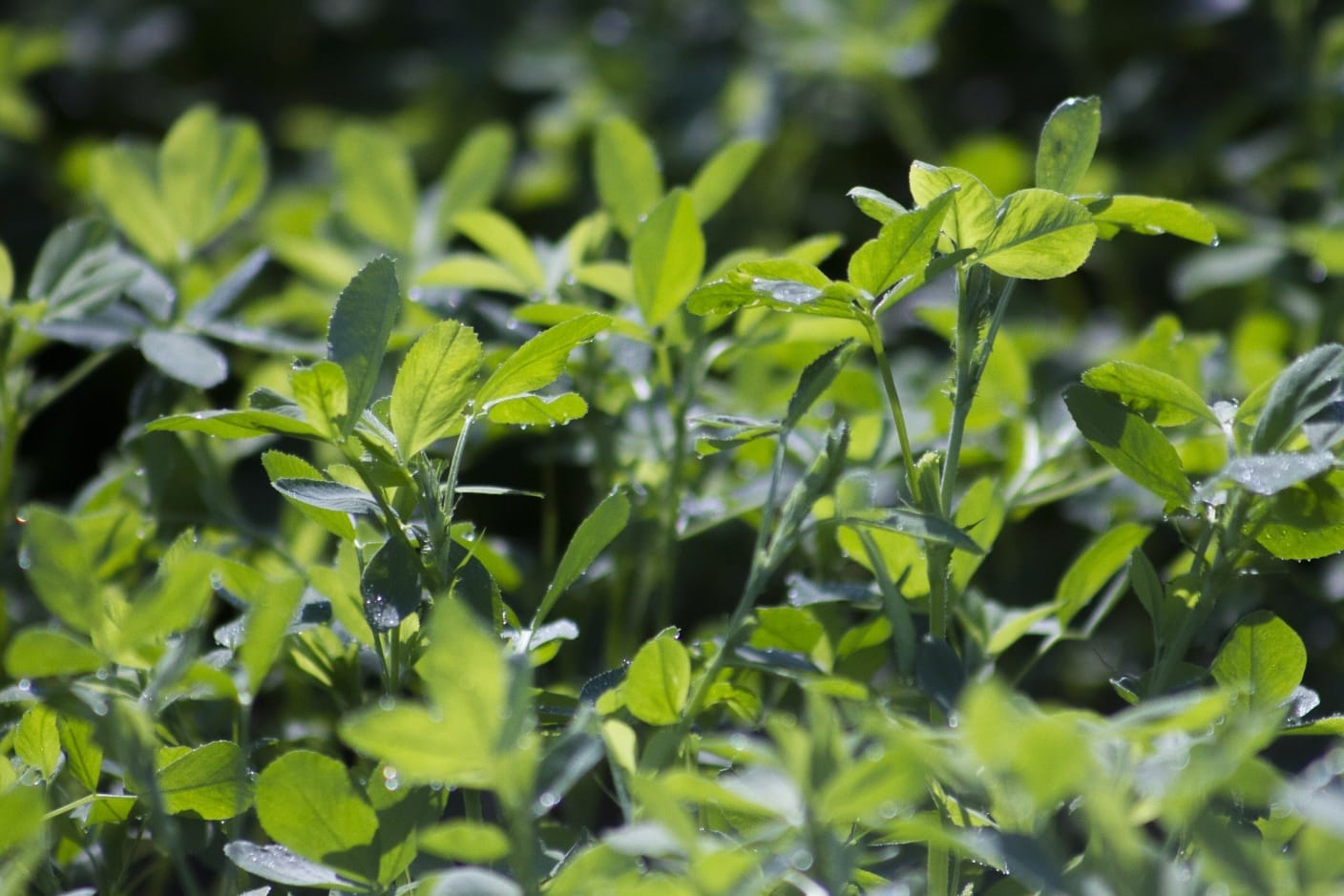
- Lucerne (Alfalfa) — “The Queen of Forages”
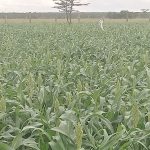
- Sorghum and Maize Fodder
- Legumes and Fodder Trees
- Fodder Beet
Fodder Preservation: Silage, Hay, and Storage
One of the biggest challenges in Kenya is fodder availability during dry seasons, when rains fail and pastures dry up. A strategic approach to fodder production includes preservation techniques such as silage and hay making:- Silage: This is fermented fodder made from grass or maize crops stored in airtight conditions. Silage retains much of its nutrient value and provides consistent, high-energy feed for cattle when pasture is scarce. Proper ensiling helps preserve fodder quality and enhances digestibility.
- Hay: Drying grass fodder into hay allows farmers to store forage for long periods without spoilage. It provides a fallback feed source when fresh fodder is unavailable.
Climate-Smart Fodder Production
With climate variability becoming more pronounced in Kenya, climate-smart fodder farming is essential. Research and extension work by institutions like KALRO (Kenya Agricultural & Livestock Research Organization) has introduced fodder grass varieties (e.g., Brachiaria cultivars) that thrive even under stress conditions. These grasses are high in protein, improve soil quality, and can adapt to diverse agro-ecological zones. Training programs in forage production help farmers integrate improved species, manage plantations, and preserve fodder, allowing for a more resilient livestock feed base.How Gatiko Company Produces the Best Fodder
At Gatiko Company Ltd, fodder production is not an afterthought — it is part of a strategic, science-backed nutrition program designed to support healthy, market-ready beef cattle.- Selection of High-Nutrition Fodder Types
- Improved Napier grass for fiber and bulk
- Lucerne for protein density
- Sorghum and maize fodder for carbohydrates
- Fodder beet for energy and palatability
- Sustainable Cultivation Practices
- Rotational fodder planting to ensure continuous supply
- Soil testing and fertilizer application to enhance yield
- Controlled irrigation where needed to avoid drought stress
- Preservation and Storage
- Fodder Monitoring and Nutrition Management
- Improved weight gain and health — Leading to better market prices.
- Lower feed costs — On-farm fodder reduces dependency on expensive commercial feed.
- Resilience in dry seasons — Stored fodder buffers cattle nutrition.
- Sustainable farming — Soil and water resources are protected.