Fodder Production in Kenya: Strengthening Livestock Farming Through Sustainable Feed Systems
Fodder production in Kenya is gaining increasing importance as farmers and agribusinesses seek reliable solutions to livestock feed shortages. With climate change, shrinking grazing land, and frequent droughts affecting traditional pastoral systems, producing quality fodder has become essential for sustainable livestock farming. From smallholder dairy farmers to commercial beef producers, fodder production is now a key pillar in improving animal productivity, reducing costs, and ensuring food security.
Understanding Fodder Production
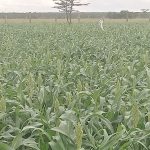
Fodder refers to cultivated animal feed, including grasses, legumes, and conserved feeds such as hay and silage. Common fodder crops grown in Kenya include Napier grass, Rhodes grass, Brachiaria, Sudan grass, lucerne (alfalfa), and maize for silage. Unlike natural grazing, fodder farming allows farmers to plan feed availability throughout the year, especially during dry seasons when pasture becomes scarce.
In Kenya, where livestock contributes significantly to household incomes and the national economy, fodder production plays a critical role in improving milk yields, beef quality, and overall animal health.
Why Fodder Production Is Important in Kenya
1. Climate Change and Feed Shortages
Kenya frequently experiences prolonged droughts that reduce pasture availability. Reliance on rain-fed grazing exposes farmers to high livestock losses. Fodder production offers a climate-smart solution by enabling feed conservation for use during dry periods.
2. Improved Livestock Productivity
Quality fodder improves animal nutrition, leading to higher milk production, faster weight gain, improved fertility, and better disease resistance. Well-fed animals are also more market-ready, increasing farmer incomes.
3. Reduced Cost of Feeding
Purchasing commercial feeds can be expensive for farmers. Producing fodder on-farm lowers feeding costs while ensuring consistent feed quality.
4. Agribusiness and Employment Opportunities
Fodder production has become a profitable agribusiness in regions such as Laikipia, Nakuru, Nandi, and Kajiado. Farmers now grow fodder not only for their own livestock but also for sale, creating new income streams and rural employment.
Types of Fodder Systems in Kenya
Kenya’s fodder systems vary depending on region and farming scale:
- Fresh fodder systems – Direct feeding of harvested grass.
- Hay production – Drying grasses like Rhodes and storing them for later use.
- Silage production – Fermenting maize or grass under anaerobic conditions for long-term storage.
- Integrated fodder-livestock systems – Combining fodder production with zero-grazing, feedlots, or semi-intensive systems.
These systems help farmers maintain steady feed supply regardless of seasonal changes.
Challenges Facing Fodder Production in Kenya
Despite its potential, fodder production faces several challenges:
- Limited access to quality fodder seeds
- High initial establishment and equipment costs
- Lack of technical knowledge among smallholder farmers
- Inadequate storage and conservation infrastructure
- Poor market linkages for commercial fodder producers
Addressing these challenges requires private sector involvement, training, and investment in modern livestock systems.
How Gatiko Company Ltd Is Advancing Fodder Production in Kenya
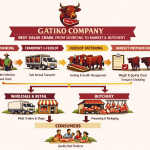
Gatiko Company Ltd stands out as a leading example of how structured fodder production can transform livestock farming in Kenya. With decades of experience in livestock and beef production, Gatiko integrates fodder farming into its broader sustainable agriculture model.
1. Integrated Fodder and Livestock Production
Gatiko produces fodder to support its feedlot and livestock operations, reducing dependence on unreliable grazing. By growing and conserving quality feed, the company ensures consistent nutrition for cattle throughout the year.
2. Sustainable Farming Practices
The company adopts environmentally responsible practices that promote soil health, efficient water use, and long-term productivity. This ensures fodder production remains viable even under changing climatic conditions.
3. Support for Smallholder Farmers
Gatiko works closely with local farmers by providing training on fodder cultivation, conservation, and livestock nutrition. This empowers farmers to improve feed self-sufficiency and increase livestock performance.
4. Market-Driven Approach
By linking fodder production directly to livestock markets, Gatiko helps farmers understand demand-driven production. This approach reduces wastage and improves profitability across the value chain.
5. Capacity Building and Knowledge Transfer
Through hands-on training and extension services, Gatiko equips farmers with practical skills in hay making, silage preparation, and feed management—key factors in modern livestock farming.
The Future of Fodder Production in Kenya
As Kenya’s demand for meat and dairy products continues to rise, fodder production will play an even greater role in sustaining livestock systems. Investment in quality seeds, mechanization, farmer training, and private-sector-led initiatives will be essential.
Companies like Gatiko Company Ltd demonstrate that fodder production is not just about feeding animals—it is about building resilient farming systems, empowering farmers, and ensuring consistent, high-quality livestock output. With the right support and innovation, fodder farming can transform Kenya’s livestock sector into a more productive and climate-resilient industry.
Conclusion
Fodder production in Kenya is no longer optional—it is a necessity. From mitigating the effects of climate change to boosting livestock productivity and farmer incomes, fodder farming is reshaping how livestock is raised. Gatiko Company Ltd provides a practical model for sustainable fodder production, combining innovation, farmer empowerment, and market integration. As more farmers adopt these practices, Kenya’s livestock industry will become stronger, more efficient, and better prepared for the future.