Detailed Feedlot Nutrition Strategies for Beef Cattle
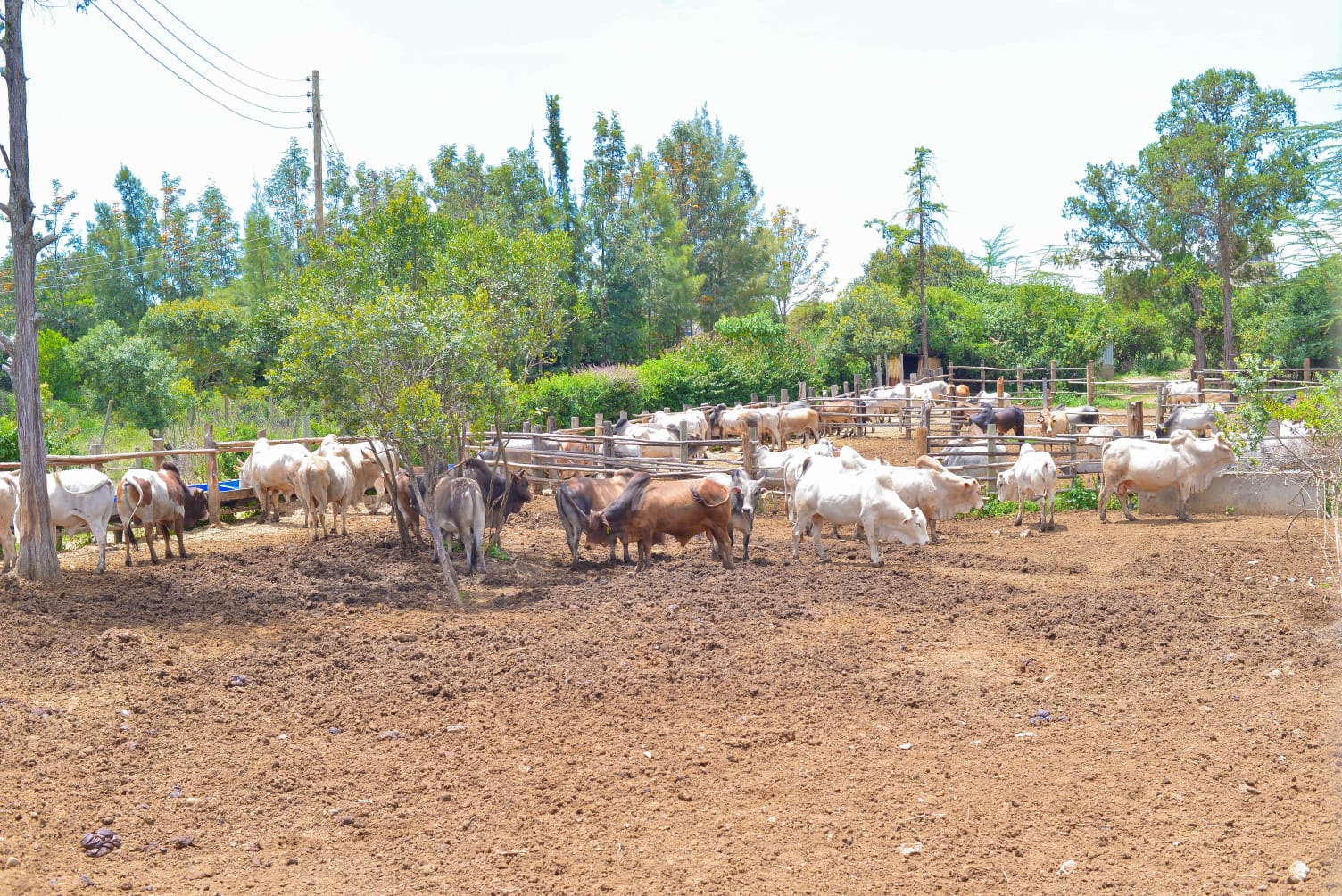
Optimizing nutrition in feedlots is crucial for achieving rapid weight gain, efficient feed conversion, high-quality beef, and healthy cattle. Feedlot finishing typically aims for average daily gains (ADG) of 1.5-2 kg, reaching market weights of 400-500 kg in 90-120 days. Strategies focus on high-energy diets while preventing issues like acidosis and ensuring sustainability, especially in regions like Kenya where local feeds are key.
Phases of Feedlot Nutrition: Step-Up Adaptation
Newly arrived cattle face stress, so nutrition starts conservatively and progresses to high-concentrate diets.- Receiving/Starting Phase (First 2-4 Weeks): High-roughage diets (30-50% roughage) to build intake and adapt the rumen. Include good-quality hay or silage to minimize digestive upset.
- Growing Phase: Gradually increase energy by reducing roughage to 20-30%.
- Finishing Phase: High-grain diets (80-90% concentrates, 10-20% roughage) for maximum marbling and tenderness.
Key Components of Feedlot Rations
Rations are formulated on a dry matter (DM) basis using least-cost principles, balancing energy, protein, minerals, and vitamins.- Energy Sources (60-90% of Diet): Grains like maize, sorghum, or barley provide starch for rapid gain. In Kenya, maize germ, bran, and pollard are common and cost-effective.
- Roughage (10-20%): Hay, silage (maize or sorghum), or crop residues maintain rumen health and prevent bloat/acidosis.
- Protein Sources: Cottonseed meal, sunflower cake, soybean meal, or fish meal to meet 12-16% crude protein needs.
- Byproducts: Distillers grains or molasses improve palatability and efficiency.
Bunk Management and Feeding Practices
Effective delivery maximizes intake and minimizes waste.- Feed 1-2 times daily, ensuring clean bunks with minimal leftovers (slick bunk management).
- Provide ad libitum access to clean water (up to 100L/day per animal in hot climates).
- Monitor intake: Target 2-3% of body weight DM daily.
- Adjust based on weather—reduce in heat stress.
Additives and Supplements for Enhanced Performance
- Ionophores (e.g., Monensin): Improve feed efficiency by 5-10% and control coccidiosis.
- Implants and Beta-Agonists: Boost growth (use per regulations).
- Minerals/Vitamins: Calcium, phosphorus, vitamin A/E critical; salt blocks common.
- Probiotics/Direct-Fed Microbials: Reduce acidosis risk.
Kenya-Specific Considerations and Sustainability
In Kenya's ASAL regions, use drought-resistant fodder like sorghum silage or locally produced concentrates. Studies show Improved Boran and crosses perform well on silage-based rations. Emphasize locally sourced feeds to reduce costs and environmental impact. Sustainable strategies include byproduct use, precise formulation to minimize waste, and manure management. Consult a nutritionist for custom rations based on feed tests and cattle type. Proper nutrition not only boosts profits but ensures animal welfare and high-grade beef.Acidosis Prevention Techniques in Beef Cattle Feedlots
Ruminal acidosis, particularly subacute ruminal acidosis (SARA), is a common metabolic disorder in feedlot cattle caused by excessive fermentation of rapidly digestible carbohydrates, leading to a drop in rumen pH below 5.6-5.8 for prolonged periods. This can reduce feed intake, impair weight gain, cause laminitis, liver abscesses, and increase mortality risk. Prevention is far more effective and economical than treatment, focusing on gradual adaptation, balanced nutrition, and careful management.Gradual Diet Adaptation: The Foundation of Prevention
The most critical step is a proper step-up program when transitioning cattle from high-forage to high-concentrate diets.- Start with 40-50% roughage in the receiving phase, gradually reducing to 10-15% over 2-4 weeks.
- Increase concentrate levels in 5-10% increments every 3-7 days to allow rumen microbes to adapt.
- Avoid sudden switches, especially after periods off-feed (e.g., due to transport or illness), as "hungry" cattle are prone to overeating.
Include Adequate Roughage for Rumen Health
Effective fiber stimulates chewing, saliva production (natural buffer), and maintains rumen mat.- Maintain at least 8-15% roughage (hay, silage, or crop residues) on dry matter basis in finishing diets.
- Use long-particle roughage to promote rumination—aim for >50% of cattle chewing during rest.
- In Kenya, incorporate locally available sorghum silage, maize stover, or Rhodes grass hay for cost-effective fiber.
Superior Bunk Management Practices
Inconsistent feeding leads to slug feeding and pH crashes.- Feed 1-2 times daily at consistent times; use "slick bunk" management—aim for clean bunks with minimal leftovers.
- Provide adequate bunk space (at least 30-45 cm per animal) to reduce competition and even intake.
- Monitor daily intake: A >10% drop for 2+ days signals potential acidosis.
- Walk pens daily to observe behavior—reduced rumination or bubbly diarrhea are early warnings.
Use Feed Additives and Buffers
Additives modulate rumen fermentation and buffer acids.- Ionophores (e.g., monensin): Improve efficiency by 5-10%, reduce lactate producers, and control acidosis—widely used in feedlots.
- Buffers (e.g., sodium bicarbonate 0.75-1.5%, limestone): Neutralize acids; include in high-grain rations.
- Other options: Yeast or direct-fed microbials to enhance lactate utilization; virginamycin as an antibiotic alternative.
Additional Strategies and Monitoring
- Process grains moderately (e.g., dry-rolling vs. fine grinding) to balance digestibility and fermentation rate.
- Ensure unlimited clean water and shade to reduce heat stress, which exacerbates intake variability.
- Monitor herd indicators: Laminitis prevalence, fecal consistency, and chewing activity.
- In Kenyan contexts, use drought-resistant forages and test local feeds for nutrient variability.