How Gatiko Company is Leading Sustainable Feedlot Farming in Kenya
In Kenya's thriving beef industry, where demand for high-quality meat continues to rise amid urban growth and changing consumer preferences, innovative companies are stepping up to bridge the supply gap. Gatiko Company Ltd, based in Nanyuki, Laikipia, stands at the forefront with over 27 years of experience in sustainable livestock and beef solutions. Specializing in modern feedlot management, premium beef cattle supply, and expert farmer consultancy, Gatiko is empowering local farmers while delivering market-ready, healthy cattle to processors, hotels, and butcheries across the country.
Understanding Feedlot Farming: A Game-Changer for Kenyan Beef Producers
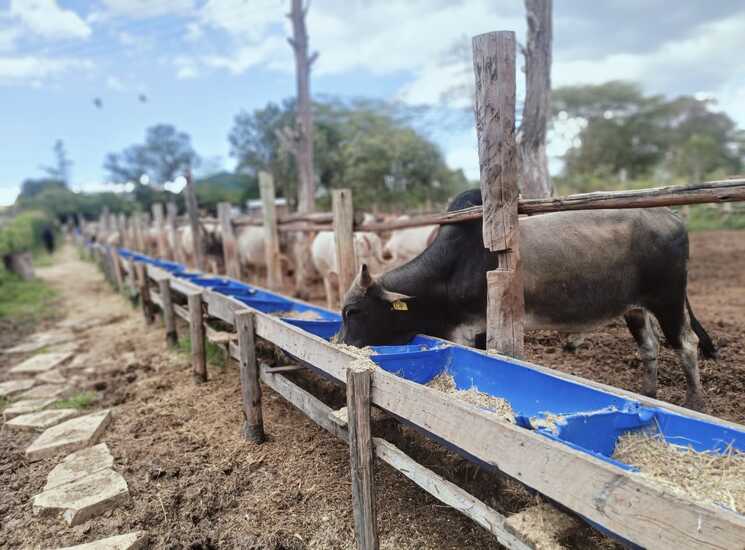
Feedlot farming, also known as cattle finishing, involves confining cattle in controlled facilities to fatten them rapidly on a nutrient-rich diet. Unlike traditional pastoral grazing, which can lead to seasonal weight fluctuations due to droughts common in Kenya's arid and semi-arid lands (ASALs), feedlots ensure consistent weight gain—often 1.5 kg per day—allowing animals to reach market weight of 400-500 kg in just 90-120 days. This intensive system addresses key challenges in Kenya's beef sector, such as climate variability and inconsistent supply. By focusing on optimized nutrition, health management, and animal welfare, feedlots produce tender, marbled beef that meets growing consumer demand for quality cuts.Why Choose Feedlot Finishing? Key Benefits for Farmers and the Industry
Feedlot systems offer numerous advantages, making them ideal for Kenya's evolving beef market:- Faster Market Readiness: Cattle gain weight efficiently, reducing time to slaughter and improving cash flow for farmers.
- Consistent Quality: Controlled feeding results in uniform, high-grade beef with better marbling and tenderness.
- Climate Resilience: In drought-prone areas, feedlots mitigate losses from poor pastures, ensuring steady production year-round.
- Higher Profits: Farmers can buy lean stock cheaply from ASAL regions and add value through fattening, fetching premium prices during peak demand seasons like holidays.
- Sustainability: Modern practices emphasize animal health, efficient feed use, and reduced land pressure compared to extensive grazing.