Company Inception – Our Story
How Gatiko Company Began
- Gatiko Company was founded to address gaps in beef quality, consistency, and market reliability
- Started as a small-scale operation focused on learning and improving livestock management
- Driven by a passion for ethical farming, efficiency, and sustainable growth
- Built step-by-step through experience, partnerships, and reinvestment
 Validation team of the Gatiko Company Training Manual
Why Nanyuki – Strategic Location
Why We Operate from Nanyuki
- Favorable climate for livestock health and feedlot operations
- Close to major cattle-producing regions (Laikipia and neighboring counties)
- Reliable access to feed raw materials
- Strategic transport links to key markets
- Reduced animal stress due to shorter transport distances
Strategic Location – Why Nanyuki
Nanyuki provides Gatiko Company with a unique advantage
- Favorable climate for livestock rearing
- Proximity to reliable feed suppliers
- Access to major livestock routes and markets
Being centrally located, Gatiko is able to source animals efficiently, manage feed production effectively, and distribute beef to various markets with minimal stress on the animals.

Livestock Sourcing – Buying the Right Animals
Quality Starts at Sourcing
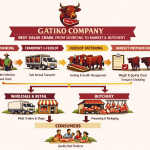
- Cattle sourced from trusted farmers, pastoralists, and livestock markets
- Selection criteria:
- Health and physical condition
- Age and weight suitability
- Breed performance in feedlot systems
- Avoiding weak or unsuitable animals reduces losses and improves profitability
- Strong supplier relationships ensure consistency
Animal Handling & Transportation
Safe Loading and Transport to the Feedlot
- Animals are handled calmly to minimize stress
- Proper loading techniques used to avoid injury
- Transport planned to reduce travel time
- Welfare-focused movement improves weight retention and meat quality
- Compliance with livestock transport best practices
Feed Production – The Backbone of the Business
Feed Production & Nutrition Strategy
- Balanced rations formulated for growth and finishing
- Feed components include:
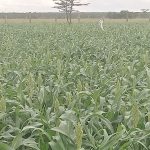
- Grains and by-products
- Roughage (hay, silage)
- Protein supplements
- Minerals and vitamins
- Feed formulation focuses on:
- Cost efficiency
- Faster weight gain
- Better carcass quality
- Feed control reduces dependency and stabilizes costs
Feedlot Operations

The Feedlot Growth Process
- Animals grouped by size and growth stage
- Structured feeding schedules
- Clean water available at all times
- Clean, well-drained pens
- Continuous monitoring of weight gain and behavior
- Feedlot period optimized for market readiness
Animal Health & Welfare
Welfare, Health & Ethical Farming
- Regular veterinary inspections
- Vaccination and disease prevention programs
- Clean housing and proper waste management
- Stress reduction improves growth efficiency
- Healthy animals produce higher-quality beef and better returns
Training & Capacity Building

Training – Building Skills for Sustainable Growth
- Continuous training for staff on:
- Feed formulation and feeding schedules
- Animal handling and welfare
- Disease detection and prevention
- Record keeping and performance tracking
- On-the-job learning combined with expert consultations
- Training improves productivity, reduces losses, and ensures consistency
- Knowledge transfer strengthens long-term operations
Benchmarking & Best Practices

Benchmarking Against Industry Standards
- Gatiko benchmarks operations against:
- Leading Kenyan feedlots
- Regional and international beef production standards
- Performance indicators tracked:
- Average daily weight gain
- Feed conversion efficiency
- Mortality and morbidity rates
- Learning from best practices improves competitiveness
- Benchmarking guides decision-making and expansion planning
- We have been to other farms for training and benchmarking including in Namibia, Kenya, and Singapore.
Market Readiness & Selection
Preparing Animals for the Market
- Animals selected based on target weight and condition
- Feeding records and health history reviewed
- Transport scheduled to maintain animal welfare
- Market timing optimized to maximize returns
- Ensures consistent quality for buyers
Market Access & Distribution
From Feedlot to Market
- Supply channels include:
- Local butcheries
- Meat traders
- Institutions and bulk buyers
- Locally
- Reliable supply builds long-term buyer relationships
- Gatiko acts as a link between producers and markets
- Focus on trust, consistency, and quality
Current Position – Where We Are Today
Gatiko Company Today
- Growing feedlot capacity
- Improved operational systems
- Strong supplier and buyer networks
- Increasing brand trust in the beef market
- Contribution to local employment and food security
Challenges & Lessons Learned
What We’ve Learned So Far
- Feed cost volatility requires smart sourcing
- Animal health management is critical
- Market timing affects profitability
- Training and systems reduce risk
- Continuous improvement is key to sustainability
The Future – Growth & Expansion
Our Vision for the Future
- Expand feedlot capacity
- Improve feed efficiency and cost control
- Strengthen farmer partnerships
- Explore value addition and branding
- Position Gatiko as a leading beef supplier
Sustainability & Impact
Sustainability and Community Impact
- Ethical livestock management
- Supporting local farmers and suppliers
- Job creation and skills development
- Contribution to food security
- Long-term environmental responsibility
The Gatiko Promise
Our Commitment
- Quality animals
- Responsible feeding
- Ethical handling
- Reliable market supply
- Continuous learning and improvement