

Feedlot Operations
Feedlot Operations
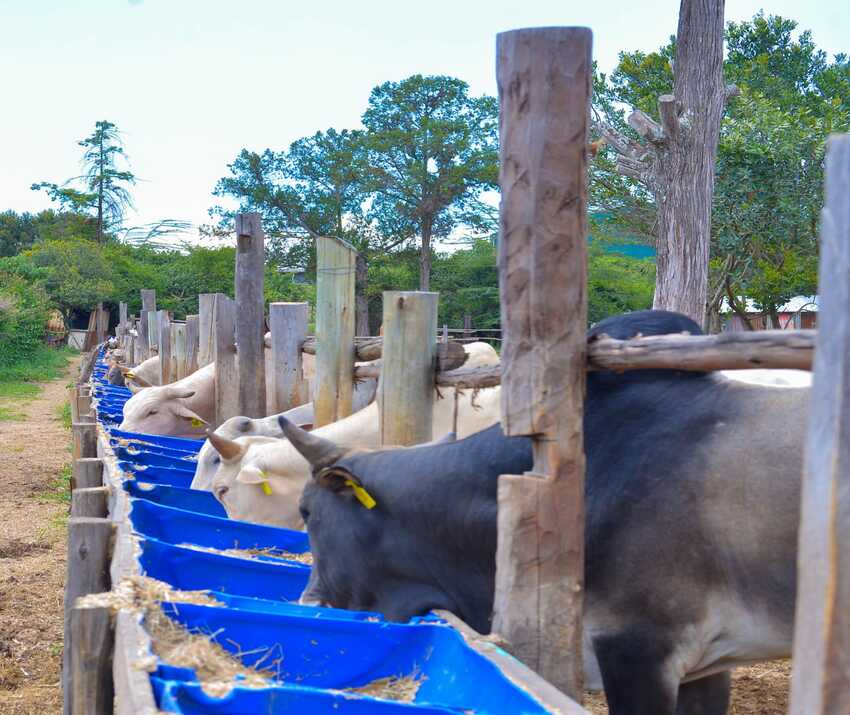
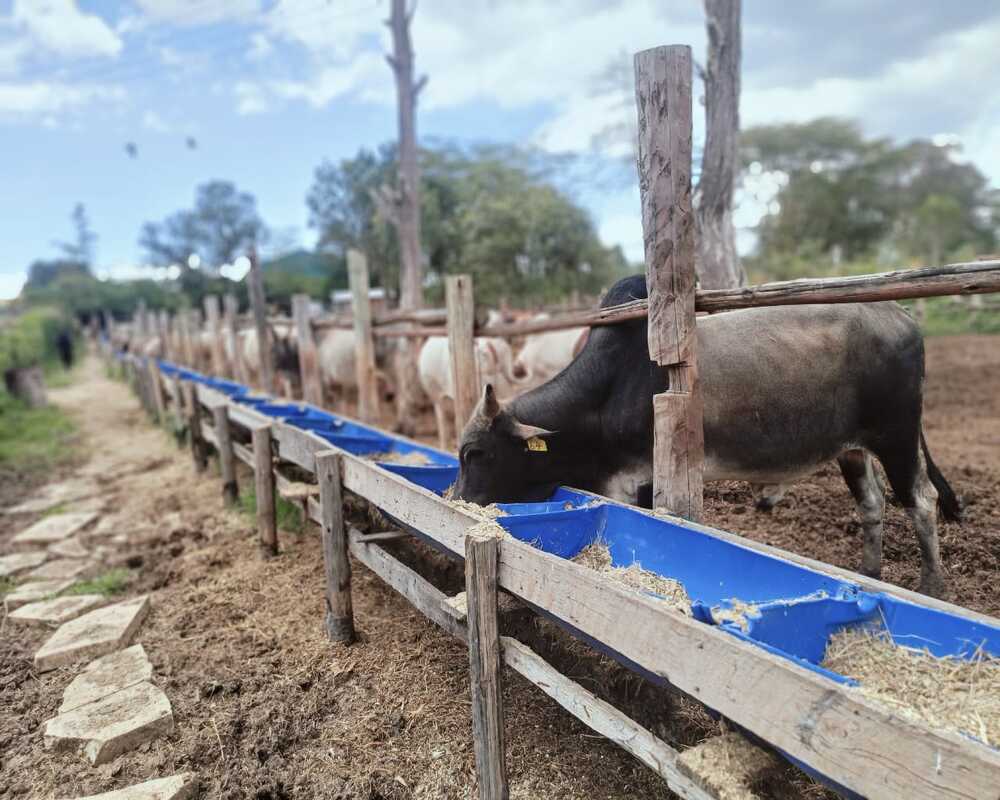
Our modern feedlot operations combine advanced infrastructure with expert animal husbandry to deliver consistent, high-quality results. Each cycle is carefully managed to ensure animals reach optimal market weight while maintaining excellent health and welfare standards.

Environmental Stewardship
Our commitment to sustainability extends beyond feeding practices to encompass every aspect of feedlot operations. We implement advanced waste management systems that convert animal waste into valuable organic fertilizer, reducing environmental impact while creating additional revenue streams. Water conservation measures include recycling systems and efficient distribution networks that minimize waste.
+254 722 774 724
Feedlot Operations
Kenya's Premier Feedlot Operation
Gatiko Company operates a modern, fully managed feedlot in Nanyuki, Laikipia County — combining scientific nutrition, humane animal handling, and rigorous health protocols to produce consistently premium-quality beef.
Our feedlot is the heart of our vertically integrated operation. We control every variable — from feed quality and ration composition to pen hygiene, veterinary care, and daily performance monitoring — ensuring our animals reach market weight in peak condition, every cycle.
Nanyuki's favourable climate reduces heat stress, supports healthy weight gain, lowers disease pressure, and gives our animals a performance advantage from day one.
The Feedlot Process
Every animal passing through Gatiko's feedlot follows a structured, documented 7-step programme — from arrival to market dispatch. This system ensures consistency, traceability, and optimal performance at every stage.
Animals arrive and are immediately weighed, given individual RFID/visual ID tags, visually assessed for health and injuries, then sorted by weight, sex, and origin into uniform pen groups.
2–4 hrs per groupComprehensive vaccination (IBR, BVD, BRSV, PI3, Clostridial), parasite treatment, rehydration, and metaphylaxis for high-risk animals. Full veterinary documentation maintained from day one.
Day 1–314–21 days of careful rumen adaptation — progressing from 70–80% roughage to 60–70% concentrate. Daily monitoring for digestive upset, stress indicators, or reduced feed intake.
Days 14–21The bulk 60–100 day period. Animals receive a balanced ration of 40–50% grain, 30–40% roughage, and 10–15% protein supplement. Target: 1.5–2kg daily gain with 6:1–7:1 feed conversion.
60–100 daysFinal 30–60 days on a high-energy finishing diet (70–85% grain). Maximises intramuscular fat deposition and marbling. Rations adjusted based on individual pen performance and target market weight.
30–60 daysFinal weight and body condition evaluation. Health inspection, vaccination record verification, and drug withdrawal confirmation. Sorting and grading to create uniform market batches at 270kg+ target.
Pre-dispatchHumane loading, low-stress transport to butcheries, wholesalers, processors, or conservancy partners. Full traceability documentation accompanies every consignment from feedlot to buyer.
Market dayThree-Phase Feeding Programme
Feed is the backbone of Gatiko's feedlot results. Our three-phase nutritional programme is scientifically designed to match each animal's requirements at every stage — maximising growth efficiency while protecting rumen health.
The starter phase allows the rumen microbiome to adapt from pasture diets to high-energy concentrate feeds. High roughage content (40–50%) with gradually increasing grain prevents acidosis and digestive disorders while probiotics support gut health.
The growing phase delivers the bulk of weight gain. Grain inclusion rises to 50–65%, supported by corn or sorghum silage and 10–15% protein supplement. Feed is delivered 1–2 times daily with continuous water access and daily bunk management.
The finishing phase maximises intramuscular fat deposition (marbling) — the key determinant of beef quality grade. High grain (70–85%) provides energy for fat accumulation while 10–15% roughage maintains rumen health. Fat/tallow and molasses are added for energy density and palatability.
Our Four Feed Categories
At Gatiko, we utilise a combination of roughage, concentrate, protein, and mineral feeds — balanced precisely across each growth phase. Most raw materials are locally sourced to ensure freshness, reduce costs, and support supply continuity.
The foundation of rumen health. Forms the base of the feeding programme especially during adaptation and growing phases.
- Grass hay (8–12% protein)
- Maize/corn silage (30–35% DM)
- Sorghum silage
- Lucerne (alfalfa) green chop
- Own-produced fodder crops
Provide the high energy input required for rapid, efficient weight gain. Introduced gradually to prevent acidosis.
- Maize/corn (87% DM, 2.0 Mcal/kg)
- Sorghum (steam-flaked or rolled)
- Wheat bran & pollard
- Brewers grains & DDGS
- Molasses (5–10% of ration)
Support muscle development, growth efficiency, and feed conversion. Balanced carefully against growth stage requirements.
- Soybean meal (44–48% protein)
- Sunflower meal (28–36% protein)
- Canola/rapeseed meal
- Lucerne/alfalfa meal
- Cottonseed meal
Essential for bone development, metabolic function, immunity, and overall welfare. No ration leaves without a complete mineral package.
- Calcium, phosphorus & magnesium
- Copper, zinc, selenium, iodine
- Vitamins A, D & E
- Salt & mineral blocks
- Probiotic supplements (starter phase)
How We Run the Feedlot Daily
Behind the performance numbers is a disciplined daily routine. Every pen is observed, every bunk is managed, every water trough is checked. Our operations team follows standardised protocols that leave nothing to chance.
Trained staff ride or walk every pen each morning. Early detection of illness, lameness, or reduced intake triggers immediate intervention and treatment recording.
Rations formulated by professional nutritionists are delivered fresh 1–2 times daily. Bunk reading adjusts quantities daily based on intake behaviour to minimise waste and prevent digestive disorders.
All animals have continuous access to fresh, clean water. Automatic waterers are maintained and inspected daily. Water quality is tested regularly and backup systems are in place.
Regular manure removal, proper drainage, dust control, and shade structures ensure clean, low-stress living conditions that directly support animal health and performance.
Feed intake, treatments, weight checks, and health observations are documented for every animal. This data drives management decisions and supports full traceability from arrival to dispatch.
Visit Our Feedlot or Place an Order
Whether you're interested in procuring feedlot-finished cattle, visiting our operations, or learning more about our management system — our team is ready to welcome you.
Contact Us →Why Our Location Matters
Nanyuki's moderate climate reduces heat stress on animals, supports healthier weight gain, and lowers disease pressure compared to arid livestock regions. Combined with proximity to major sourcing counties and reliable feed supply chains, our location is a production advantage built in from day one.
What Our Partners Say
The Gatiko feedlot's impact reaches into farming communities, conservancies, and businesses across Kenya.
Since partnering with Gatiko Feedlot, I have witnessed remarkable growth at Kings Meat World. The consistent quality, reliable weight, and dependable supply have become the foundation of my success — sales have doubled.
I learned about feedlotting at Gatiko and started my own in Isiolo. With ongoing technical guidance, I now achieve daily weight gains of up to 1.2kg per animal and have learned market access strategies from Moyale to final markets.
What I learned from Gatiko Feedlot is very important to our community. We are moving away from keeping cattle for 4–5 years toward more efficient finishing systems. The involvement of women from our group ranch has been truly transformative.
Sustainable at Every Level
Gatiko's feedlot is built on the belief that profitable beef production and responsible stewardship are not in conflict — they are the same goal.
Manure from our feedlot is composted and returned to our fodder crop fields — closing the nutrient loop and reducing our need for external inputs.
We grow our own silage from maize and sorghum, and produce lucerne and hay on-farm — reducing feed costs and our dependence on external supply chains.
Over 70 casual and permanent workers from Likii, Majengo, and surrounding areas are employed at our feedlot — with plans to grow to 150 as we expand.
From transport to daily handling, all our staff are trained in low-stress animal management techniques. Happy, healthy animals perform better and produce superior beef.
Tour Our Feedlot or Partner With Us Today
Whether you want to source premium finished cattle, send animals for fattening, or learn from our operations through our training programme — we'd love to hear from you.
Nanyuki, Laikipia County, Kenya · +254 722 774 724 · info@gatikocompany.com
Other Services We Offer
Gatiko's vertically integrated model spans the full beef value chain.